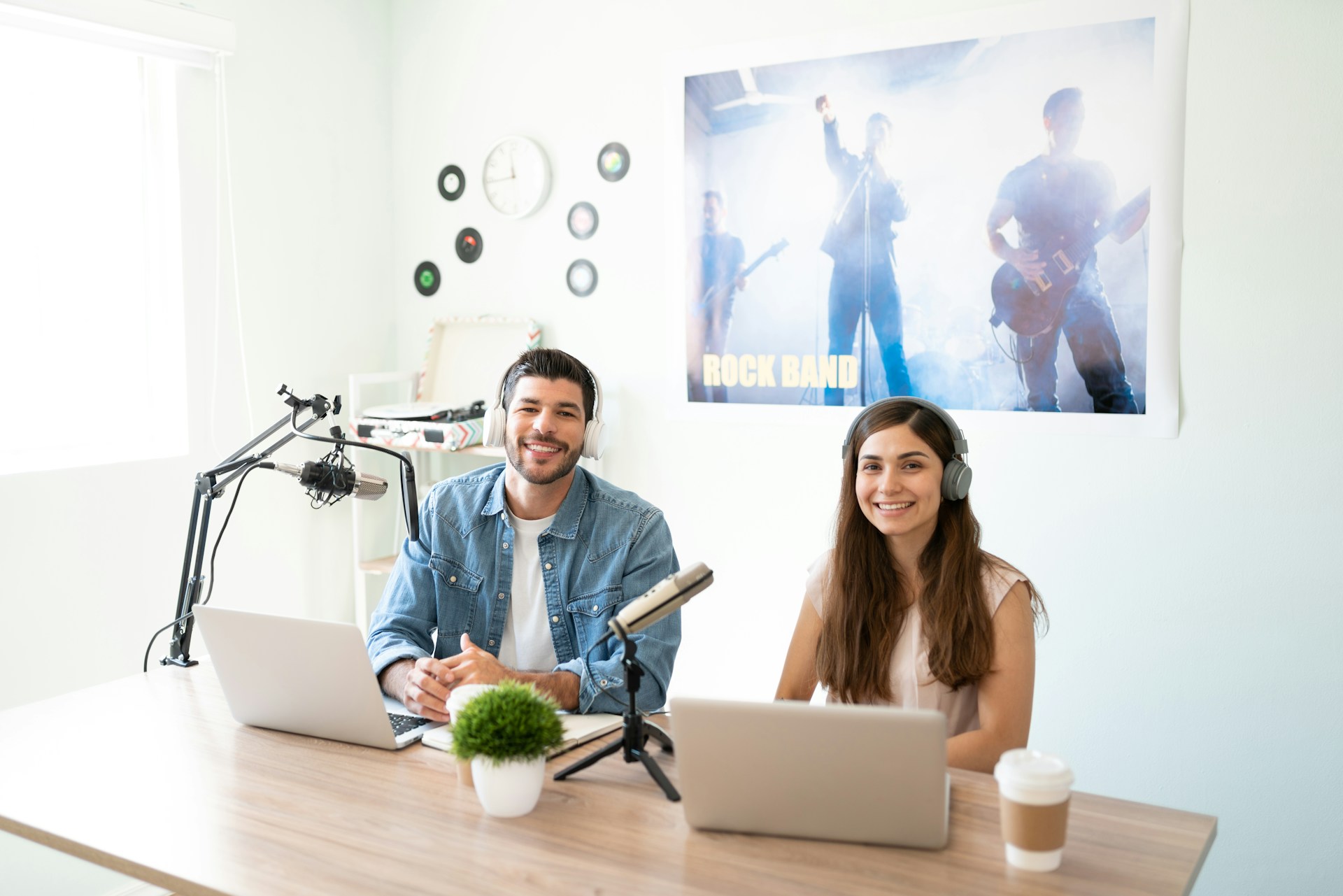
Planning a Podcast Recording Space That Doesn’t Feel Awkward
Podcasting has become a favorite way for people to share stories, ideas, and conversations. Whether it's a business update, expert interview, or community talk, more people are looking for a polished sound without it feeling stiff or overly produced. But here's the thing, how a space feels can be just as important as how it sounds.
Picking the right podcast recording space shapes the whole mood. If the setup is too echoey or too closed off, it can turn what should be a comfortable chat into something tense. And that can come through in the final recording. A good space helps people sound like themselves and feel at ease while doing it.
Make Comfort Just as Important as Sound
We've all heard podcasts that sound great on paper but feel off in tone. Often, that comes from the space itself. A room might check all the tech boxes, but if it feels cold or awkward, it affects how people act and speak.
The right podcast recording space balances both the technical side and human side. That means clear audio, yes, but also a space that feels easy to be in. When people walk into a room and feel boxed in or too exposed, it's hard to settle into the conversation. Nobody wants to feel like they're on display.
Here's what helps:
Dimmed or adjustable lighting instead of bright overhead lights
Neutral colors and soft touches that feel welcoming
Seating that feels familiar, like a living room setup, not a stage
Small tweaks like these can quietly lower nerves and help everyone sound more natural. When we consider how our space feels, not just how it sounds, our guests relax more. Sound equipment is important, but so is the feeling that the space gives every time someone steps in to record.
Find the Right Size for the Setup
Size matters, and not just for the gear. If the room is too big, voices can bounce around and lose warmth. If it's too tight, people feel trapped. Either way, it's hard to get that real, relaxed energy on tape.
That's why flexibility helps so much. A space that can shift depending on the group, whether it's a solo host or a back-and-forth with four guests, makes recording smoother. It also avoids awkward shuffling or squeezing in last-minute gear.
Think about these size-related pieces:
Enough room for people to move freely without feeling cramped
Adjustable seating or layout depending on style (panel, conversational, solo)
Lighting that fits the room scale without washing everyone out
At 620 Collective in Salem, Oregon, our creative production studios are designed for content creators, videographers, and podcasters, with flexible room arrangements and modern, sound-friendly finishes.
These details help keep the setup feeling natural. It's not about packing in features, it's about giving people space to breathe and speak.
Keep Distractions Out of the Way
Even small things can break someone's train of thought. A loud hallway, flickering light, or bad chair can pull focus quickly. In a podcast recording space, that kind of distraction doesn't just throw off the person speaking, it gets picked up in the audio too.
To help everyone stay focused:
Use a private area separate from heavy foot traffic
Avoid bright windows or mirrors that pull attention
Cut out hums, buzzes, or rattles that slip into recordings
At the same time, the space shouldn't feel cut off. It's about creating calm without turning it into a cave. Balanced lighting, good airflow, and a soft background let people stay relaxed without losing their rhythm.
620 Collective makes it easy to keep things focused with sound-dampening design and in-house AV support, so you can concentrate on conversation instead of technical glitches.
Think About the Flow of the Recording Day
The session doesn't start when the mic turns on. It begins when someone walks in the door, looks around, and figures out where to sit. That's why flow matters so much. If people have to guess where to go or cross awkward setups just to sit down, it adds friction before the work even starts.
Here's where layout comes in:
Clear pathways between entry, seating, and guest areas
Off-camera storage spots to keep cords and bags out of the way
Easy access to water, restrooms, or a break area
Adding comfort where it's needed, before and after the mic picks up, makes the whole day smoother. It means guests can focus on the conversation ahead instead of worrying about where to leave their bags or how to find the restroom. This extra attention to layout shows up in the relaxed pace and genuine sound of the recorded session.
Put People at Ease From the Start
Nerves happen, even to seasoned guests. A thoughtful space can ease that quickly. It doesn't have to be flashy. It just needs to feel familiar enough that people relax when they sit down.
Design choices that help with that include:
Seating arranged face-to-face instead of side-by-side
Phones off to the side so guests can focus
Extra microphones, headphones, or small comforts ready if needed
The way a space looks and feels affects how people speak. If the setup reminds guests of a conference room or a spotlighted stage, it slows the pace and tone. A room that feels friendly lets people talk like they mean it. By paying attention to the emotional cues the room gives off, we make sure people feel grounded instead of anxious.
Let the Setting Support the Story
When a podcast recording space is planned with care, it becomes the quiet support behind the session. It doesn't need to stand out, it should step back so that the conversation can step forward.
When we build spaces with comfort, sound, and ease in mind, we make room for better talks and a better time overall. The goal isn't just polish. It's connection. The right space helps everyone sound like themselves, and that's what listeners remember most.
A calm, well-flowing setup doesn't just improve sound quality, it shapes the mood of the message. Whether it's in Salem, Oregon, or somewhere else, taking the time to get it right helps every part of the recording feel more natural.
Planning interviews or creative sessions in Salem, Oregon, is easier when you have a space that feels as good as it sounds. At 620 Collective, we’ve designed every room to support strong conversations and encourage creativity, whether you’re working solo or with a group. A well-set layout can make all the difference. To discover what makes our podcast recording space easy to use and ideal for your next project, contact us today.
